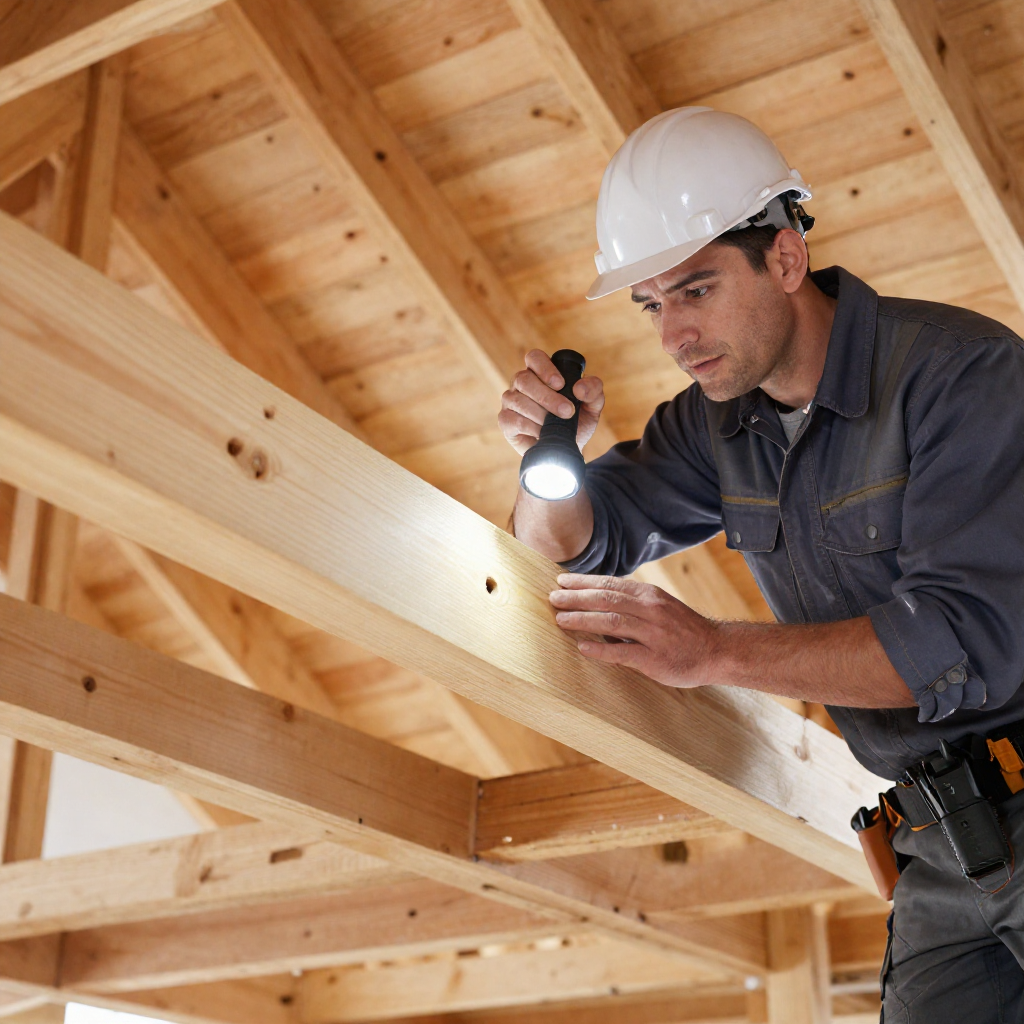
Discovering woodworm in your home can be concerning, especially if the infestation affects structural timber, roof beams, flooring, or valuable furniture. Fortunately, not every exit hole means the infestation is active, and several effective treatment options are available depending on the type of beetle, the extent of the damage, and the condition of the timber.
Choosing the right woodworm treatment starts with an accurate diagnosis. Treating old damage unnecessarily can waste time and money, while delaying treatment for an active infestation may allow further deterioration. Understanding the available treatment methods helps homeowners make informed decisions and protect their timber for the long term.Visit https://www.shashel.eu online for more details.
This guide explains the most common woodworm treatment options, the factors to consider before choosing one, and practical steps for preventing future infestations.
What Is Woodworm?
Woodworm is the common name for the larvae of several species of wood-boring beetles.
Common species include:
- Common Furniture Beetle
- Deathwatch Beetle
- House Longhorn Beetle
- Powderpost Beetles
The larvae feed inside timber before emerging as adult beetles through small exit holes.
Confirm That the Infestation Is Active
Before choosing any treatment, determine whether the infestation is still active.
Possible signs include:
- Fresh wood dust (frass)
- Recently emerged adult beetles
- Clean-looking exit holes
- New damage to timber
Old exit holes alone do not necessarily indicate an active infestation.
Consider the Type of Timber
Different wooden structures require different treatment approaches.
Examples include:
- Structural roof beams
- Floor joists
- Timber-frame walls
- Antique furniture
- Hardwood flooring
- Decorative woodwork
The age, location, and value of the timber all influence the most appropriate treatment.
Assess the Extent of the Damage
The level of infestation should be carefully evaluated.
Consider:
- Size of the affected area
- Structural importance of the timber
- Number of exit holes
- Presence of fresh frass
- Signs of weakening
Extensive structural damage may require repairs in addition to pest treatment.
Understand the Available Treatment Options
Professional woodworm treatment may include:
- Approved chemical wood preservatives
- Surface treatments
- Localized applications
- Heat-based treatment technologies
The most appropriate method depends on the beetle species, accessibility, and condition of the timber.
Chemical Woodworm Treatments
Chemical treatments are commonly used for active infestations.
Potential advantages include:
- Proven effectiveness when properly applied
- Suitable for many timber types
- Long-lasting protection in appropriate situations
The exact product and application method should always match the type of infestation and the manufacturer’s instructions.
Microwave Woodworm Treatment
One increasingly popular chemical-free option is microwave woodworm treatment.
Professional microwave equipment uses dielectric heating to generate controlled heat inside timber.
The treatment is designed to eliminate:
- Woodworm larvae
- Beetle eggs
- Pupae
- Adult wood-boring beetles
Benefits
- Chemical-free
- No pesticide residues
- Localized treatment
- Minimal disruption to surrounding areas
- Environmentally responsible
- Suitable for many heritage buildings
- Helps preserve original structural timber
Microwave treatment is particularly useful where preserving original timber is a priority or where minimizing chemical use is preferred.
Factors to Consider Before Choosing a Treatment
Before making a decision, consider:
- Beetle species
- Active or historic infestation
- Structural condition
- Accessibility
- Age of the building
- Heritage requirements
- Moisture levels
- Budget
A professional assessment helps ensure the most appropriate solution is selected.
Address Moisture Problems
Some wood-boring beetle species are more likely to infest timber with elevated moisture levels.
Check for:
- Roof leaks
- Plumbing leaks
- Poor ventilation
- Condensation
- High indoor humidity
Correcting these issues helps reduce the likelihood of future infestations.
Protect Timber After Treatment
Once treatment is complete, maintain the wood by:
- Repairing leaks promptly.
- Improving ventilation.
- Monitoring indoor humidity.
- Inspecting timber annually.
- Maintaining protective wood finishes where appropriate.
Preventive maintenance supports long-term timber preservation.
Inspect Your Home Regularly
Routine inspections help detect new problems before extensive damage occurs.
Inspect:
- Roof beams
- Floor joists
- Window frames
- Door frames
- Wooden furniture
- Attics
- Basements
Look for:
- Fresh frass
- Exit holes
- Surface cracks
- Soft wood
- Adult beetles
Early detection often reduces repair costs.
Comparing Woodworm Treatment Options
| Treatment Method | Best Suited For | Key Benefits |
|---|---|---|
| Chemical Treatments | Many active infestations | Proven protection and long-term effectiveness when properly applied |
| Microwave Treatment | Suitable localized active infestations | Chemical-free, targeted, and helps preserve original timber |
| Preventive Maintenance | All wooden structures | Reduces the risk of future infestations through routine care |
The best choice depends on the condition of the timber and the nature of the infestation.
Common Mistakes to Avoid
Avoid these common errors:
- Treating old exit holes without confirming active infestation.
- Ignoring fresh frass.
- Delaying repairs to moisture problems.
- Choosing a treatment without identifying the beetle species.
- Neglecting annual timber inspections.
Accurate diagnosis is essential for effective treatment.
Common Myths About Woodworm Treatment
Myth 1: Every Exit Hole Means Active Woodworm
Fact: Exit holes may remain visible for many years after beetles have emerged. Fresh frass and other evidence are usually needed to confirm current activity.
Myth 2: One Treatment Works for Every Situation
Fact: The best treatment depends on the beetle species, the condition of the timber, and whether the infestation is active.
Myth 3: Once Treated, Wood Never Needs Inspection Again
Fact: Regular inspections remain important because new infestations or moisture problems can develop over time.
Conclusion
Choosing the right woodworm treatment begins with understanding the infestation. Confirming whether beetle activity is current, identifying the species involved, assessing the condition of the timber, and addressing any underlying moisture problems are all essential steps before treatment begins.
Both traditional chemical treatments and modern microwave woodworm treatment have their place, depending on the specific situation. By combining the appropriate treatment with routine inspections, good ventilation, moisture control, and regular maintenance, homeowners can protect their timber, preserve valuable wooden structures, and reduce the risk of future infestations.